
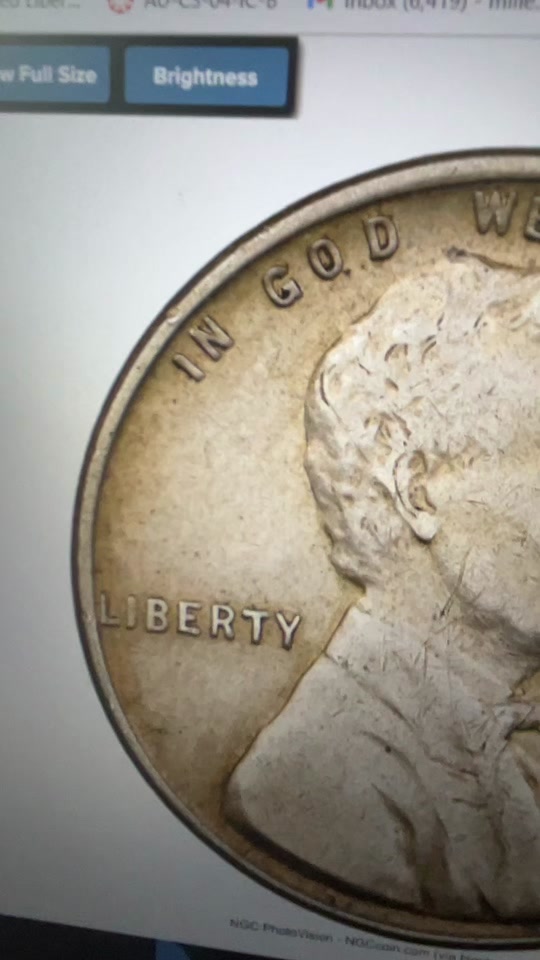
Scratched 1943-D Steel Penny
🪙 Can an “Ugly” Penny Really Sell for $7,800?
At first look, this coin did not seem special at all.
It was a 1943-D steel penny with scratches, wear, dull surfaces, and heavy circulation marks. Most collectors would probably pass over it quickly.
No bright shine.
No beautiful eye appeal.
No obvious rare feature.
But this scratched penny shocked collectors when it sold for $7,800 at auction on December 22, 2025. 🤯
So why did a damaged-looking steel cent bring such a strong price?
The answer was not in the surface condition — it was in the hidden minting error.
Let’s break it down step by step. 👇
🔍 Step 1: Why Most 1943 Steel Pennies Are Common
During World War II, copper was needed for military equipment, ammunition, and wartime supplies.
Because of that, the U.S. Mint changed the penny composition in 1943.
Instead of using copper, the Mint produced pennies made from:
✅ Zinc-coated steel
✅ Silver-gray metal appearance
✅ Lower weight than copper cents
Millions of 1943 steel pennies were made, including many from the Denver Mint.
Normal 1943 steel penny value:
| Condition | Typical Value |
|---|---|
| Worn / circulated | $0.25–$1 |
| Better circulated | $1–$5 |
| Uncirculated examples | Higher, depending on grade |
Most worn 1943 steel cents are not rare.
So this $7,800 penny needed something much more unusual to make it valuable.
⚠️ Step 2: The Secret Was a Wrong-Planchet Error
The big discovery was this:
This 1943-D steel penny was not struck on a normal U.S. steel cent blank.
Instead, it was accidentally struck on an Australian Sixpence planchet. 🇦🇺
That made it a rare wrong-planchet error.
What is a wrong-planchet error?
A wrong-planchet error happens when a coin blank intended for one coin accidentally enters the press for another coin.
In simple words:
✅ Wrong blank
✅ Wrong coin design
✅ Rare mint mistake
✅ Strong collector demand
This type of mint error is highly desirable because it proves something unusual happened during the production process.
💡 Collector Note: A coin can look ordinary on the outside but still be extremely valuable if it was struck on the wrong metal or wrong planchet.
⚖️ Step 3: The Weight Difference Revealed the Truth
One reason this coin was so easy to miss is that the weight difference was tiny.
Weight comparison:
| Coin Type | Weight |
|---|---|
| Normal 1943 steel cent | About 2.7 grams |
| Error coin | About 2.8 grams |
That is only a 0.1 gram difference. ⚠️
To most people, that difference is impossible to notice by hand.
You would need a precise digital scale to detect it.
Why this matters:
✅ Small weight differences can reveal major errors
✅ Wrong-planchet coins may not look obvious
✅ A precision scale is important for serious collectors
✅ Even damaged coins should be checked carefully
🔍 Quick Tip: If a coin feels slightly unusual, weighs differently, or looks a little off, do not ignore it.
👀 Step 4: The Coin Had Almost No Obvious Warning Signs
The most surprising part is that this penny did not scream “rare error” at first glance.
Even experienced collectors could have mistaken it for a normal worn 1943-D steel penny.
Possible subtle clues included:
🔎 Slight thickness difference
🔎 Small surface irregularities
🔎 Unusual strike feel
🔎 Details that did not fully match a normal U.S. steel cent
🔎 Tiny weight difference
But none of these clues were obvious to the naked eye.
That is why the coin had to be tested and authenticated professionally.
📌 Important: Not every valuable coin looks beautiful. Sometimes the most valuable detail is hidden in the metal, weight, or planchet.
🏛️ Step 5: Professional Certification Made the Value Clear
The coin became valuable after professional examination confirmed the error.
Once submitted to a major grading service:
✅ The wrong-planchet error was verified
✅ The foreign blank was identified
✅ The coin was encapsulated in a certified holder
✅ Buyers gained confidence
✅ The coin became easier to sell at auction
Final auction result:
💰 Sold for $7,800
Certification changed everything because it proved the coin was not just damaged or strange-looking — it was a real mint error.
🧠 Step 6: The Big Lesson for Coin Collectors
This sale teaches an important lesson:
Condition is important, but it is not everything.
A scratched, worn, or dull coin can still be valuable if it has a rare mint error.
Valuable error signs may include:
✅ Wrong planchet
✅ Wrong metal
✅ Unusual weight
✅ Odd thickness
✅ Strange strike details
✅ Foreign coin blank
✅ Abnormal edge or diameter
A beautiful coin may sell well because of condition, but an ugly coin can still sell high because of rarity.
💡 Collector Tip: Never throw away or dismiss a coin only because it looks scratched or worn. Check the details first.
🔎 Step 7: How to Check Your 1943 Steel Pennies
Before you ignore an old steel penny, follow this simple checklist.
1️⃣ Check the Date and Mint Mark
Look for:
✅ Date: 1943
✅ Mint mark: D under the date
✅ Steel-gray color
✅ Lincoln Wheat cent design
The “D” means the coin was struck at the Denver Mint.
2️⃣ Weigh the Coin Carefully
Use a digital scale that can measure to at least 0.01 grams.
A normal 1943 steel cent should weigh around:
⚖️ 2.7 grams
If your coin weighs more or less than expected, it may need closer inspection.
3️⃣ Check the Thickness and Edge
Look carefully at the edge of the coin.
Check for:
🔍 Unusual thickness
🔍 Strange edge color
🔍 Odd metal layer
🔍 Mismatch compared with normal steel cents
🔍 Any sign the blank is not standard
4️⃣ Compare It With a Normal 1943 Steel Cent
If possible, place it beside a normal 1943 steel penny.
Compare:
✅ Weight
✅ Diameter
✅ Thickness
✅ Color
✅ Strike sharpness
✅ Edge appearance
Small differences can matter.
5️⃣ Do Not Clean the Coin
Even if the coin looks dirty or scratched, do not clean it.
Avoid:
❌ Polishing
❌ Washing
❌ Rubbing
❌ Chemical cleaning
❌ Scraping the surface
Cleaning can reduce the value and make authentication harder.
6️⃣ Submit It for Certification If Something Looks Wrong
If your coin has unusual weight, strange thickness, or odd metal features, consider professional grading.
Trusted grading companies include:
🏅 PCGS
🏅 NGC
Professional certification can confirm:
✅ Authenticity
✅ Planchet type
✅ Mint error status
✅ Grade
✅ Market value
📊 Quick Value Breakdown
| Coin Type | Typical Value |
|---|---|
| Normal worn 1943-D steel penny | $0.25–$5 |
| Better condition steel penny | Higher depending on grade |
| Wrong-planchet error | Can reach thousands |
| Certified Australian Sixpence planchet error | Sold for $7,800 |
This shows how one hidden detail can turn a common coin into a valuable collector piece.
🧭 1943-D Steel Penny Error Checklist
Use this checklist when checking your own coin:
✅ Date reads 1943
✅ Has a D mint mark
✅ Coin is steel-gray
✅ Weight is checked on a precision scale
✅ Thickness looks slightly unusual
✅ Edge looks different from normal
✅ Strike details seem abnormal
✅ Coin has not been cleaned
✅ Professional grading considered
If your coin checks several of these boxes, it may be worth further examination.
💰 Hidden Error Penny Takeaway
This scratched 1943-D steel penny proves one powerful point:
A coin does not need to look perfect to be valuable.
Even a worn, dull, scratched penny can become a $7,800 treasure if it carries the right hidden error.
The most important things to check are:
🔍 Weight
🔍 Planchet
🔍 Metal
🔍 Thickness
🔍 Mint mark
🔍 Professional certification
Before you throw away an “ugly” coin, inspect it carefully.
Your next valuable discovery could be hiding in plain sight. 🪙🔥
Leave a Reply