
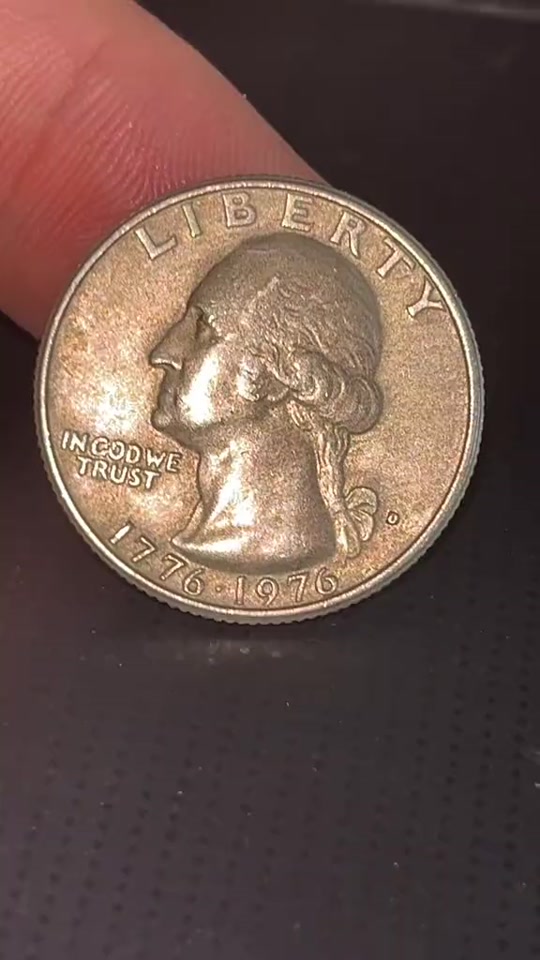
Rare 1976-D Bicentennial
💰 Could a Bicentennial Quarter in Your Pocket Be Worth More Than Face Value?
Most people have seen a Bicentennial Quarter at some point.
With its famous colonial drummer design and dual date of 1776–1976, it’s one of the most recognizable U.S. coins ever produced.
Because millions were minted, most Bicentennial quarters are only worth 25 cents.
However, a small number were struck with a collectible doubled-die variety, and those coins can sell for $15–$18 or more, depending on condition.
Recently, a collector reported finding one in everyday circulation—a reminder that valuable coins can still turn up in pocket change today.
Let’s look at how to identify this interesting variety.
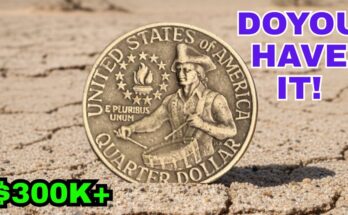
🇺🇸 What Is the Bicentennial “Drummer Boy” Quarter?
To celebrate America’s 200th birthday, the U.S. Mint issued special quarters during 1975 and 1976.
Instead of the traditional eagle reverse, these quarters feature:
🥁 A Colonial Drummer Boy
🔥 A victory torch surrounded by stars
📅 The dual date “1776–1976”
The design quickly became one of the most popular commemorative circulating coins in U.S. history.
While most examples are common, a few varieties have gained attention from collectors.
🔍 Step-by-Step Guide to Check Your Quarter
If you have a Bicentennial Quarter, follow these simple steps.
✅ Step 1: Check the Mint Mark
Turn the coin over to the obverse (front).
Look just to the right of George Washington’s ponytail.
You may see:
- D = Denver Mint
- S = San Francisco Mint
- No Mint Mark = Philadelphia Mint
What You’re Looking For
🏛️ A D mint mark
The doubled-die variety most commonly associated with this discovery comes from the Denver Mint.
✅ Step 2: Examine the Word “LIBERTY”
This is the most important identification step.
Use:
🔍 A magnifying glass
🔬 A coin loupe
📱 A smartphone camera with zoom
Look closely at the word:
LIBERTY
Potential doubled-die indicators include:
✔️ Thickened lettering
✔️ Extra lines inside letters
✔️ Slight doubling on multiple letters
✔️ Most noticeable on the letters R and T
If the lettering appears sharp and normal, the coin is likely a standard example.
✅ Step 3: Check the Coin’s Condition
Condition plays a major role in determining value.
The recently reported example received a grade of:
🏅 MS64 (Mint State 64)
Coins with:
✨ Original mint luster
✨ Minimal contact marks
✨ Strong eye appeal
typically command the highest premiums.
Heavily circulated coins can still be collectible but often sell for less.
✅ Step 4: Consider Professional Certification
If you believe your coin shows genuine doubling, professional grading is recommended.
The most respected grading companies include:
🏆 PCGS (Professional Coin Grading Service)
🏆 NGC (Numismatic Guaranty Company)
Benefits of certification:
✔️ Authentication
✔️ Accurate grading
✔️ Higher buyer confidence
✔️ Better resale potential
💵 How Much Is a 1976-D Doubled Die Bicentennial Quarter Worth?
Value depends on:
📊 Grade
🔍 Strength of doubling
💎 Overall eye appeal
Example Market Values
| Coin Type | Estimated Value |
|---|---|
| Normal Circulated Bicentennial Quarter | Face Value |
| Typical Uncirculated Example | Small Premium |
| Certified Doubled-Die Variety (MS64) | $15–$18+ |
While it’s not a six-figure rarity, it’s still worth 60–70 times face value, making it an exciting circulation find.
⚠️ Common Mistakes Collectors Make
Before assuming you’ve found a valuable variety, avoid these common errors.
Misidentifying Machine Doubling
Machine doubling can sometimes resemble a doubled die.
However:
❌ Machine doubling usually decreases value
✅ True doubled dies are created during the die manufacturing process
Professional evaluation can help determine the difference.
📦 How to Protect Your Coin
If you think you’ve found an interesting example:
Do This
🧤 Handle only by the edges
📦 Store in a coin flip or capsule
📸 Take clear photos
🏅 Consider professional grading
Avoid This
❌ Cleaning the coin
❌ Polishing the surface
❌ Storing loosely with other coins
Cleaning can significantly reduce collector value.
📈 Why Bicentennial Quarters Remain Popular
Collectors continue to enjoy Bicentennial Quarters because they combine:
🇺🇸 American history
🥁 Unique reverse design
🪙 Wide availability
🔍 Interesting varieties and errors
For many collectors, these coins serve as an affordable entry point into coin collecting.
💡 Final Thoughts
Most Bicentennial “Drummer Boy” Quarters are only worth face value.
But certain doubled-die varieties—especially certified Denver Mint examples—can bring surprising premiums.
Before spending that next quarter:
🔍 Check the mint mark
🔍 Examine the word “LIBERTY”
🔍 Look for signs of doubling
You may discover a hidden collectible sitting in your change jar right now.
Happy coin hunting! 🪙✨
Leave a Reply