
🪙 Could Your Nickel Be Worth $375 or More?
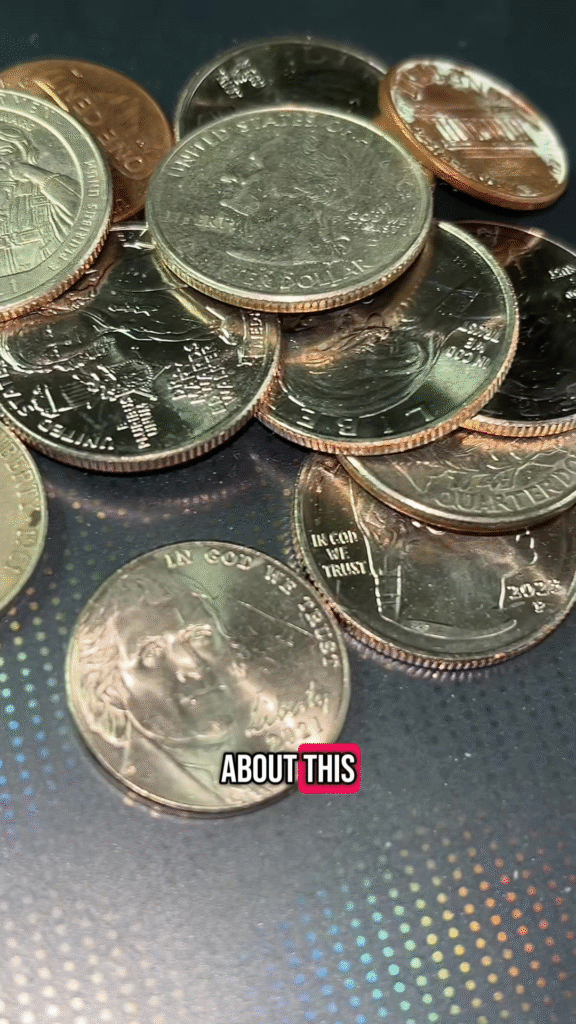
$375 Rotated Die Buffalo Nickel Alert
Most people spend nickels without giving them a second look. But what if one of those ordinary coins was actually worth hundreds of dollars?
A rotated die error on a modern Jefferson nickel featuring the American bison recently caught the attention of collectors after selling for $375. The best part? The coin wasn’t even professionally graded.
If you have a few nickels lying around, now is the perfect time to check them. This simple mint error can sometimes turn everyday pocket change into a valuable collectible.
🔍 What Is a Rotated Die Error?
A rotated die error happens during the minting process when the dies used to strike a coin are not properly aligned.
On a normal U.S. coin:
✅ Hold the front (obverse) upright.
✅ Flip the coin top-to-bottom.
✅ The reverse should also appear upright.
That’s how every properly struck coin should look.
However, on a rotated die error coin, the reverse design appears turned at an angle—or even completely upside down.
This unusual mistake makes the coin much more desirable to collectors.
🏛️ Why Does This Error Happen?
Coins are struck using two dies:
- One creates the front (obverse).
- The other creates the back (reverse).
If one die rotates before striking the coin, every coin produced during that period will show the reverse at the wrong angle.
The greater the rotation, the more dramatic—and valuable—the error may become.
💰 How Much Is a Rotated Die Nickel Worth?
Values depend on several important factors, but recent examples show strong collector demand.
| Coin Condition | Estimated Value |
|---|---|
| 🪙 Minor Rotation | $50 – $150 |
| 🔄 Noticeable Rotation | $150 – $300 |
| 💎 Major Rotated Die Error | Up to $375 or More |
⭐ Professionally certified examples with strong eye appeal can sometimes sell for even higher prices.
🧭 Step-by-Step: How to Check Your Nickel
You don’t need any special equipment.
Simply follow these easy steps.
✅ Step 1: Hold the Coin Correctly
Place the front of the coin (Jefferson’s portrait) upright facing you.
✅ Step 2: Flip the Coin
Flip it top-to-bottom.
⚠️ Don’t rotate it side-to-side.
✅ Step 3: Check the Reverse
Look at the American bison on the reverse.
✔️ If the reverse is upright
Your coin has normal alignment.
❌ If the reverse is sideways or upside down
Congratulations!
You may have discovered a rotated die error.
Even partial rotations can add collectible value.
📈 What Determines the Value?
Not every rotated die coin is worth the same amount.
Collectors consider several factors.
🔄 Degree of Rotation
Generally, larger rotations command higher prices.
💎 Coin Condition
Coins with minimal wear and strong details are usually worth more.
🏛️ Professional Certification
Grading by a respected service increases buyer confidence and often boosts value.
📊 Collector Demand
Popular modern error coins continue attracting new collectors every year.
🛡️ What Should You Do If You Find One?
Think you’ve found a rotated die nickel?
Follow these important steps before selling it.
1️⃣ Have It Authenticated
Consider submitting your coin to a professional grading company such as:
- PCGS
- NGC
Certification can significantly increase market value.
2️⃣ Never Clean the Coin
🚫 Cleaning removes the original surface and can reduce collector value.
Leave the coin exactly as you found it.
3️⃣ Take Clear Photos
Capture:
📸 Front (obverse)
📸 Back (reverse)
📸 Edge
High-quality photos are essential if you plan to sell online or at auction.
⚡ The 5-Second Rotation Test
Checking your nickel only takes a few seconds.
Step 1
Hold Jefferson’s portrait upright.
Step 2
Flip the coin top-to-bottom.
Step 3
Look at the reverse.
✅ Upright = Normal
❌ Tilted = Possible rotated die
❌ Upside down = Major rotated die error
It’s one of the easiest mint errors to identify.
🌟 Why Collectors Love Rotated Die Nickels
These fascinating error coins remain popular because they offer a combination of rarity and easy identification.
Collectors appreciate them because they are:
✔️ Genuine U.S. Mint mistakes
✔️ Occasionally found in circulation
✔️ Easy for beginners to check
✔️ Popular among error coin collectors
✔️ Capable of selling for hundreds of dollars
💡 Smart Coin-Hunting Tips
Want to improve your chances of finding valuable error coins?
🔎 Check Every Nickel
Don’t ignore pocket change, old piggy banks, or inherited coin collections.
📦 Store Coins Properly
Keep potential error coins in protective holders to avoid scratches.
🚫 Never Polish or Clean Coins
Original surfaces are far more valuable than shiny ones.
📚 Learn Common Mint Errors
The more you know, the easier it becomes to recognize valuable coins.
🏆 Could Your Spare Change Be Hiding a $375 Treasure?
One quick flip of an ordinary nickel could reveal an error worth hundreds of dollars.
The rotated die Buffalo (Bison) Jefferson nickel proves that valuable collectibles don’t always come from ancient coins or precious metals. Sometimes, a simple minting mistake is all it takes to transform everyday pocket change into a prized collectible.
Before spending your next nickel, give it the five-second rotation test—you might discover one of the most exciting hidden treasures still circulating today.
❓ Frequently Asked Questions
What is a rotated die error?
It’s a minting error where the front and back of the coin are not properly aligned due to one die rotating during production.
How do I test for a rotated die?
Hold the front upright, flip the coin top-to-bottom, and see if the reverse remains upright.
Should I clean my coin before selling it?
No. Cleaning almost always reduces a coin’s value.
Can a rotated die nickel really be worth hundreds of dollars?
Yes. Strongly rotated examples in excellent condition have sold for $375 or more, especially when professionally authenticated.
🎯 Why This Mint Error Is Worth Looking For
The rotated die Jefferson nickel is proof that valuable treasures can still be hiding in everyday change. With just a few seconds of inspection, you could uncover a mint error that collectors are willing to pay hundreds of dollars to own.
So the next time you receive a nickel, don’t spend it too quickly—flip it, inspect it, and you might just discover your next valuable coin.

Leave a Reply