
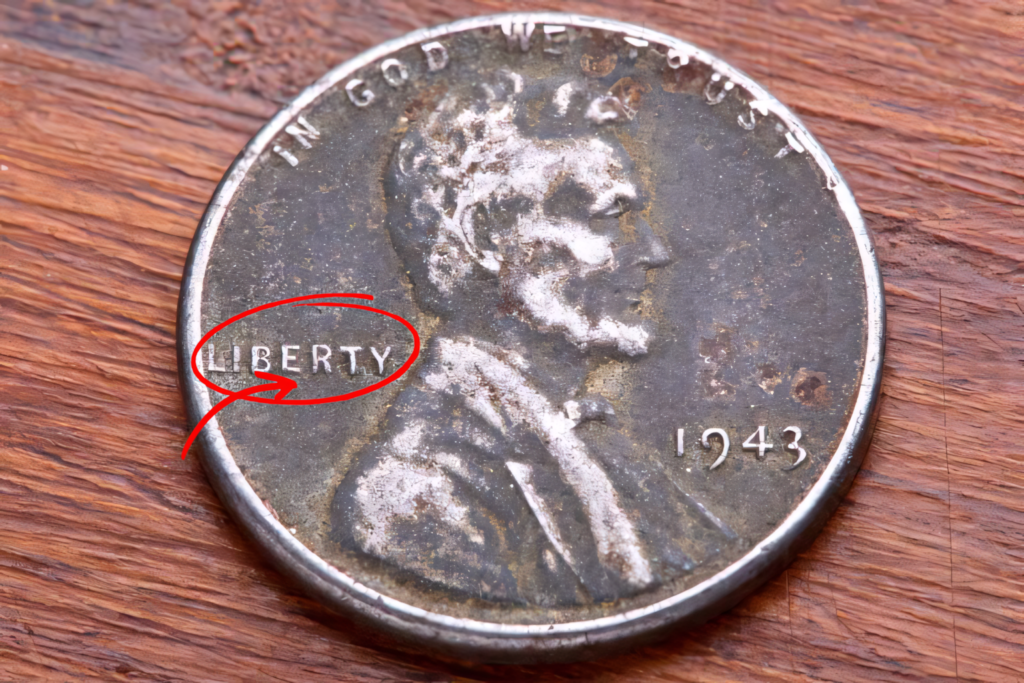
😱 Is That Old Penny Really Worth $1.7 Million?
Have you ever looked through an old coin jar, a drawer full of loose change, or a small collection passed down from your grandparents? If so, you may want to look again — very carefully.
One of the most valuable coins in American history, the 1943 Copper Lincoln Penny, has sold for as much as $1.7 million. And shockingly, a few examples are still unaccounted for. 🪙✨
This legendary penny wasn’t supposed to exist. It’s a World War II minting mistake that turned into a dream discovery for collectors worldwide.
⚠️ Quick Visual Check: Avoid Costly Mistakes
Not all 1943 pennies are valuable — most are common.
🔹 Normal 1943 pennies are steel and appear silver-gray
🔹 Rare 1943 copper pennies have a reddish-brown copper tone
📌 If your 1943 penny looks silver, it’s steel.
📌 If it looks copper, keep reading — but stay cautious.
🔍 Step-by-Step Guide to Identifying a 1943 Copper Penny
1️⃣ Examine the Front (Obverse)
✔️ Abraham Lincoln facing right
✔️ “IN GOD WE TRUST” along the top
✔️ “LIBERTY” on the left
✔️ Date must read 1943 — inspect carefully
2️⃣ Inspect the Back (Reverse)
✔️ Classic Wheat Ears design
✔️ “ONE CENT” and “UNITED STATES OF AMERICA” centered
✔️ No modern memorial or shield design
👉 The design alone isn’t enough — the metal is the real secret.
💰 Why the 1943 Copper Penny Is Worth $1.7 Million
During World War II, copper was urgently needed for ammunition and military equipment. To conserve resources, the U.S. Mint switched penny production to zinc-coated steel in 1943.
However, a small number of leftover copper planchets from 1942 accidentally made their way into the presses.
🧭 Estimated survivors: 12–40 coins total
🏆 Auction record: $1.7 million
📜 Status: One of the rarest Lincoln cents ever produced
A pure accident — now worth a fortune.
🧲 The Simple Magnet Test (Do This First!)
This is the fastest at-home test anyone can do:
1️⃣ Grab a magnet
2️⃣ Touch it to your 1943 penny
👉 If it sticks → Steel penny (not rare)
👉 If it doesn’t stick → Possible copper penny
⚠️ If it passes this test, do NOT clean it. Cleaning can destroy its value instantly.
✅ 5-Step Authentication Checklist
Before celebrating, make sure your coin passes all five checks:
🧲 Magnet Test — must not stick
👁️ Color Check — copper red/brown, not silver
🔢 Date Inspection — ensure the “3” wasn’t altered from 1948
⚗️ Metal Analysis — confirms real copper composition
🧾 Professional Grading — PCGS or NGC certification required
📌 Only authenticated examples are worth seven figures.
💎 Why Collectors Will Pay Millions
The 1943 Copper Penny is a numismatic legend because it is:
✔️ Exceptionally rare
✔️ Directly tied to WWII history
✔️ The result of a once-in-a-generation mint error
✔️ One of the greatest “treasure hunt” coins ever known
It represents history, mystery, and extreme scarcity — the perfect storm for collectors.
🏦 What to Do If You Think You Found One
If you suspect your penny could be real:
🚫 Never clean, polish, or alter it
📸 Take sharp photos (front, back, close-ups of the date)
🎥 Record a short magnet-test video
📦 Submit it to PCGS or NGC
📞 Or consult a trusted coin dealer or auction house
🧠 Expert Insight
“The 1943 Copper Penny is the ultimate hidden-in-plain-sight story — a wartime error that became a national treasure.”
— Dr. Eleanor Vance, Chief Numismatist, RareCoin Guild
🔔 Is This Wartime Penny Worth Keeping or Selling?
If authentic, this coin isn’t just collectible — it’s life-changing.
Even heavily worn examples can be worth hundreds of thousands once certified.
📌 A single penny could rewrite your financial future.
🪙 Final Reminder: Check Every 1943 Penny
Here’s the rule to remember:
✔️ Silver color → steel
✔️ Copper color → test it
✔️ Non-magnetic → get it authenticated
That forgotten penny in your drawer might be a $1.7 million WWII mistake waiting to be discovered. 💰✨
Leave a Reply