
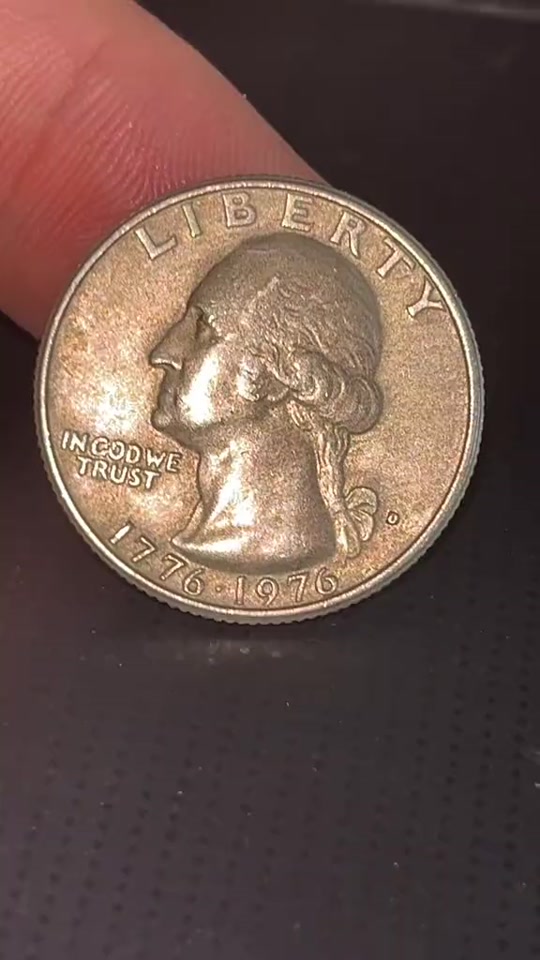
Check Your 1776–1976 Quarter Today
🇺🇸 Could Your Bicentennial Quarter Be Worth More Than 25 Cents?
Most Bicentennial quarters are common and still worth face value. But some special 1776–1976 Denver Mint quarters can be worth more because of a collectible doubled-die variety.
One collector recently discovered a Bicentennial “Drummer Boy” Quarter in everyday circulation, and after grading, the coin was valued around $15–$18. 😲
That may not sound like a million-dollar coin, but it is still around 60 to 70 times face value for a quarter many people spend without checking.
In this guide, you’ll learn:
✅ What the Bicentennial “Drummer Boy” Quarter is
✅ Where to find the mint mark
✅ How to check for doubled letters
✅ Why condition matters
✅ What to do if you find one
Let’s check it step by step. 👇
🪙 Step 1: What Is the Bicentennial “Drummer Boy” Quarter?
The Bicentennial Quarter was made to celebrate the 200th anniversary of American independence.
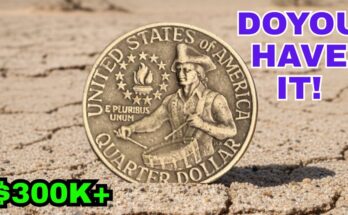
Instead of the regular eagle reverse design, this special quarter shows a colonial drummer boy on the back. That is why many collectors call it the “Drummer Boy Quarter.”
Basic coin details:
| Detail | Information |
|---|---|
| Coin | Washington Bicentennial Quarter |
| Date | 1776–1976 |
| Reverse Design | Colonial drummer boy |
| Face Value | 25 cents |
| Valuable Variety | 1976-D doubled-die variety |
Millions of these quarters were made, but only certain examples with the right error and condition are worth extra money.
🔍 Step 2: Check the Mint Mark First
Before checking for doubling, start with the mint mark.
Look on the front side of the coin, near Washington’s ponytail.
You are looking for:
✅ D = Denver Mint
The doubled-die variety discussed here is connected to Denver-minted Bicentennial quarters.
If your coin has a D mint mark, it is worth taking a closer look.
🔎 Step 3: Examine the Word “LIBERTY”
This is the most important part of the inspection.
Look closely at the word:
LIBERTY
You can find it on the front of the coin above Washington’s portrait.
Use a magnifying glass or coin microscope if possible.
Signs of a possible doubled-die error include:
✅ Thick-looking letters
✅ Extra lines inside the letters
✅ Doubling around the R and T
✅ Slight shadow-like doubling across multiple letters
✅ Letters that look wider than normal
If the letters are thin, sharp, and normal-looking, the coin is probably a regular Bicentennial quarter.
💡 Collector Tip: True doubled-die errors show doubling from the die itself, not from damage, wear, or machine movement.
🏆 Step 4: Check the Coin’s Condition
Condition plays a big role in value.
The recently reported example was graded:
MS64 — Mint State 64
That means the coin was uncirculated and still had strong eye appeal, but may have had some small marks.
General condition guide:
| Condition | What It Means |
|---|---|
| Circulated | Shows wear from use |
| About Uncirculated | Light wear, still attractive |
| Mint State | No circulation wear |
| MS64+ | Cleaner surfaces and better value |
A doubled-die coin with scratches, heavy wear, or damage may still be collectible, but it will usually sell for less than a clean Mint State example.
🧾 Step 5: Get Professional Certification
If your quarter appears to show real doubling, professional grading can help confirm it.
Trusted grading services include:
🏅 PCGS – Professional Coin Grading Service
🏅 NGC – Numismatic Guaranty Company
Certification helps confirm:
✅ Authenticity
✅ Variety
✅ Grade
✅ Market confidence
✅ Better resale potential
Certified coins are usually easier to sell because buyers trust the grading result.
💵 How Much Is the 1976-D Doubled-Die Bicentennial Quarter Worth?
A confirmed example may bring around:
| Coin Type | Grade | Estimated Value |
|---|---|---|
| 1976-D Bicentennial Quarter Doubled Die | MS64 | $15–$18 |
This is not a jackpot coin, but it is still a fun and profitable pocket-change find.
A quarter worth $15–$18 is a big return from a coin that many people would spend for only 25 cents. 💰
⚠️ Important Collector Tips
Before selling or storing your coin, follow these simple rules:
❌ Do not clean the coin
🧤 Hold it only by the edges
📦 Store it in a coin flip or capsule
🔍 Use magnification to check the letters
🏅 Consider grading if the doubling is clear
📸 Take clear photos before asking for opinions
Cleaning is one of the biggest mistakes collectors make. Even light rubbing can damage the surface and reduce the coin’s value.
🧭 Quick Checklist: Is Your Bicentennial Quarter Valuable?
Use this simple checklist:
✅ Date says 1776–1976
✅ Has the Drummer Boy reverse design
✅ Has a D mint mark
✅ “LIBERTY” shows possible doubling
✅ Doubling is strongest around R and T
✅ Coin has clean surfaces
✅ Coin has little or no wear
✅ Stored safely without cleaning
If your coin matches these signs, it may be worth checking further.
🪙 Drummer Boy Quarter Treasure Takeaway
Most Bicentennial quarters are common, but some Denver doubled-die examples can be worth more than face value.
A coin worth $15–$18 may not make you rich, but it proves that valuable coins can still be found in circulation.
Before you spend your next 1776–1976 quarter, take two minutes to check the mint mark and the word LIBERTY.
That simple 25-cent coin could be a small hidden treasure. 🪙💰
Leave a Reply