
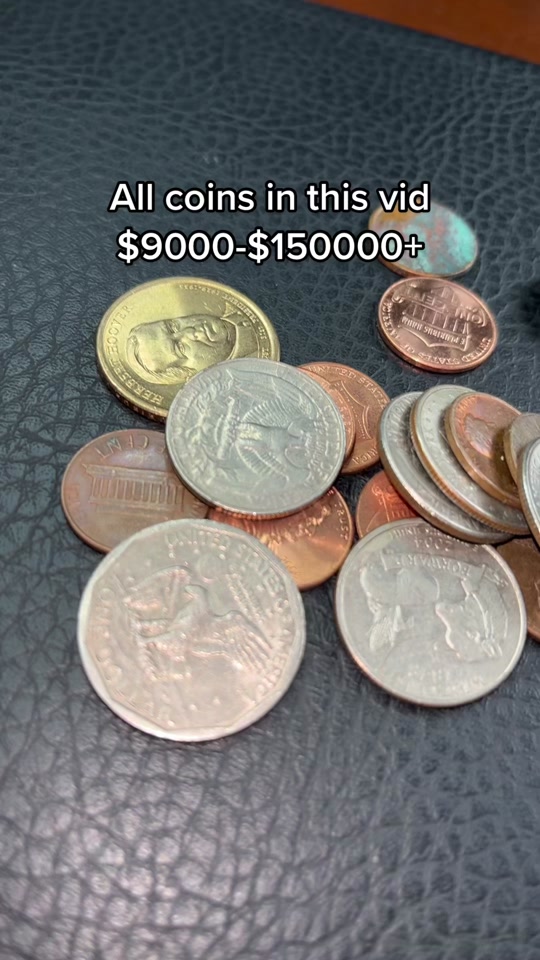
6 Verified U.S. Mint Error Coins
Think mint error coins are just internet myths? Think again.
Some of the most valuable U.S. coins ever sold weren’t rare because of their age—they became famous because of extraordinary minting mistakes. From coins struck on the wrong planchets to legendary mule errors, these fascinating pieces have brought thousands—and even over $144,000—at auction.
In this guide, we’ll explore six remarkable mint errors, explain what makes them special, and show you how to recognize unusual coins that deserve a closer look.
📌 Important: The values below apply only to professionally authenticated mint errors. Ordinary coins with the same dates are typically worth face value.
🔥 What Makes a Mint Error Coin So Valuable?
Collectors are willing to pay premium prices when a coin has:
- 🪙 A genuine U.S. Mint production error
- ⭐ Professional authentication
- 🔍 An unusual or dramatic appearance
- 📈 Strong collector demand
- 💎 Excellent preservation
The rarer and more dramatic the mistake, the greater the potential collector interest.
🪙 1. 2000 Lincoln Cent Struck on a New Hampshire Quarter Planchet
💰 Reported Auction Price: $9,400
This unusual error occurred when a Lincoln cent was reportedly struck on a blank intended for a New Hampshire State Quarter.
Why It’s Unusual
- Penny design
- Quarter-sized planchet
- Different metal composition
- Incorrect weight and diameter
🔎 What to Look For
✅ Lincoln cent design
✅ Coin appears the wrong size
✅ Unusual color or weight
Wrong-planchet errors are among the most popular modern mint mistakes.
🔥 2. 1999 Lincoln Cent with Unusual Reverse Design Transfer
💰 Reported Value: Over $50,000
Some collectors have reported dramatic design-transfer errors involving the reverse of certain Lincoln cents.
Possible Characteristics
- Extra design elements
- Unusual lettering
- Evidence of a die clash or other minting anomaly
Professional examination is essential to determine the exact cause.
💎 3. 2001-D Lincoln Cent with Roosevelt Dime Reverse (Reported Mule Error)
💰 Reported Auction Price: $78,000
One of the most extraordinary error types is a mule coin, created when dies from two different coin designs are mistakenly paired together.
Reported Design
- Obverse: Lincoln cent
- Reverse: Roosevelt dime
Because mule errors are exceptionally rare, any suspected example should be professionally authenticated.
🚨 4. 1999 Lincoln Cent with Roosevelt Dime Reverse (Reported Mule Error)
💰 Reported Auction Price: $138,000
Another reported mule error combines:
- Lincoln cent obverse
- Roosevelt dime reverse
These dramatic mismatched designs attract tremendous collector attention because they should never occur during normal production.
🟡 5. Washington Quarter Struck on a Sacagawea Dollar Planchet
💰 Reported Auction Price: $144,000
Wrong-planchet errors can produce very unusual-looking coins.
Identification Tips
Look for:
- Washington quarter design
- Gold-colored appearance
- Incorrect diameter
- Unusual weight
The combination of a quarter design on a Sacagawea dollar planchet creates a striking and highly collectible error.
🦅 6. Sacagawea Dollar Struck on a Presidential Dollar Planchet
💰 Reported Auction Price: $84,000
Another fascinating wrong-planchet error reportedly involved a Sacagawea dollar struck on a planchet intended for a Presidential Dollar.
Why Collectors Love It
- Dramatic minting mistake
- Extremely unusual appearance
- Professionally authenticated examples are exceptionally scarce
🔍 Step-by-Step Guide: How to Check Your Coins
Before spending unusual-looking coins, follow these simple steps.
✅ Step 1 — Compare the Size
Does the coin appear:
- Too small?
- Too large?
- Thicker or thinner than normal?
Wrong-planchet errors often have unusual dimensions.
✅ Step 2 — Check the Weight
A digital jewelry scale can reveal important clues.
An incorrect weight may indicate:
- Wrong planchet
- Off-metal strike
- Other production errors
✅ Step 3 — Examine Both Sides Carefully
Look for:
- Designs from different coins
- Missing elements
- Double strikes
- Unusual lettering
- Off-center images
A magnifying glass can help reveal small details.
✅ Step 4 — Inspect the Color
An unexpected color may indicate:
- Wrong metal
- Experimental planchet
- Transitional error
However, environmental damage or plating can also change a coin’s appearance, so professional evaluation is important.
✅ Step 5 — Never Clean the Coin
Cleaning can permanently reduce collector value.
Instead:
✔️ Handle the coin by its edges.
✔️ Store it in a protective holder.
✔️ Photograph both sides before seeking expert advice.
✅ Step 6 — Consider Professional Authentication
If a coin appears genuinely unusual, reputable grading services can:
- Verify authenticity
- Identify the error
- Assign a professional grade
Authentication is essential before assigning significant value.
💡 Collector Tips
🪙 Wrong-planchet and mule errors are among the rarest U.S. Mint mistakes.
🪙 Most unusual-looking coins are not valuable mint errors—they may simply be damaged after leaving the Mint.
🪙 Weight, diameter, and metal composition are key diagnostic features.
🪙 Never rely solely on online photos when identifying rare errors.
🪙 Professional authentication provides the strongest evidence of authenticity.
🌟 Collector’s Corner: Small Minting Mistakes Can Create Extraordinary Collectibles
Some of the most exciting discoveries in coin collecting began with someone noticing that a coin simply “didn’t look right.” Genuine mint errors—especially mule coins and wrong-planchet strikes—offer a fascinating glimpse into the minting process and are among the most sought-after pieces in modern numismatics.
Although these spectacular errors are extremely rare, carefully checking your coins for unusual size, weight, color, or design is always worthwhile. The next remarkable discovery could be hiding in a pocket, coin jar, or inherited collection.
Happy collecting! 🪙✨
⚠️ Important Note About These Claims
While wrong-planchet errors and mule coins are genuine and highly collectible, some specific examples and sale prices listed in the source material are not widely documented in publicly available auction records. Before citing a coin as a verified six-figure rarity, confirm it through reputable auction archives or professional grading service records. Any coin believed to be a major mint error should be authenticated by a trusted grading service before assigning significant value.


Leave a Reply