
Have you checked your wallet lately? 👀
That handful of coins in your pocket or the old dollar bills tucked away in a drawer could be worth far more than their face value. As collector demand continues to grow and the Lincoln cent approaches the end of its production era, the market for rare coins, printing errors, and key-date currency has become increasingly competitive.
In this week’s Pocket Change Market Watch, we’ll look at real recent sales, explain why these pieces are valuable, and show you exactly what to search for before you spend your change.
🔥 Why Rare Coins & Currency Are Gaining Value
Several factors are driving today’s collector market:
- 🪙 Growing interest in Lincoln cent varieties
- 💵 Increased demand for paper money printing errors
- 📈 Rising prices for key-date coins
- 🔍 More collectors searching circulation for hidden treasures
Many collectors believe that as certain U.S. coins become less common in circulation, desirable varieties and mint errors will continue attracting strong premiums.
💵 Step 1: Inspect Your Dollar Bills First
Many people focus only on coins, but paper money errors can be just as valuable.
💲 1999 $1 Federal Reserve Note – Misaligned Reverse Printing
🔎 What to Look For
- Reverse design noticeably shifted
- Front and back don’t align correctly
- Genuine printing error—not simply a poorly cut bill
💰 Recent Sale
Sold for: $85
📌 Collector Tip: Always compare both sides of every dollar bill. Misalignment errors are often missed during casual inspections.
💲 1935-E $1 Silver Certificate – Fold-Over Printing Error
This dramatic error occurred when the corner of the paper folded during production before the bill was printed.
Why Collectors Love It
- Extremely eye-catching
- Easily recognized
- Difficult to duplicate
💰 Recent Sale: $130.99 (31 bids)
💲 1985 $1 Bill – Rare Back Plate Number Error
One unusual variety features plate number “129” appearing in an unexpected position.
Why It Matters
- Very limited known examples
- Frequently overlooked
- Popular with paper money specialists
💰 Recent Sale: $158.94
💲 2006 $1 Bill – Misaligned Overprint
During the final printing stage, the serial numbers and Treasury seals shifted significantly to the left.
What You’ll Notice
- Serial numbers aren’t centered
- Treasury seal appears misplaced
💰 Recent Sale: $66.60
💲 1988-A $1 Bill – Rare Board Break Error
One of the more desirable printing errors involves missing ink caused by damage inside the printing equipment.
Why It’s Valuable
- Difficult to find
- Often misidentified
- Scarce error variety
💰 Recent Sale: $360
🪙 Step 2: Search Your Coins Carefully
Some of the strongest recent sales came from ordinary-looking coins hiding uncommon varieties and mint errors.
🥈 1946 Walking Liberty Half Dollar – Doubled Die Reverse (FS-801)
A strong doubled reverse makes this variety highly collectible.
💰 Recent Sale: $324.95
📌 Lesson: Even lower-grade examples can command impressive prices when the variety is scarce.
🪙 1958-D Lincoln Cent – Cud Die Break
Look for a raised blob of metal near IN GOD WE TRUST.
💰 Recent Sale: $35
🪙 1983-P Jefferson Nickel – “Twin Peaks” Cud
A favorite among roll hunters because it’s identifiable without expensive equipment.
💰 Recent Sale: $59
🪙 1864 Two-Cent Piece – Repunched Date
Collectors prize this variety because the date shows noticeable doubling from multiple punches into the die.
💰 Recent Sale: $58.35
🪙 1977-D Eisenhower Dollar – Clip Error
Even a relatively small clipped planchet can bring more than face value.
💰 Recent Sale: $16.50
💡 Small mint errors can still produce impressive returns.
🪙 1922 Peace Dollar – Rim Clip Error
Silver content provides a value floor, while the mint error adds collector interest.
💰 Recent Sale: $45.74
⚠️ Keep in mind that changes in silver prices can influence collector premiums.
🌲 “Woodie” Lincoln Cents Continue to Attract Buyers
Improper alloy mixtures sometimes create attractive wood-grain streaks across Lincoln cents.
🪙 1940 Lincoln Cent – Wood Grain Alloy Variety
Collectors continue paying premiums for attractive examples.
💰 Recent Sale: $10.95
📈 As more examples disappear into collections, prices could continue trending upward.
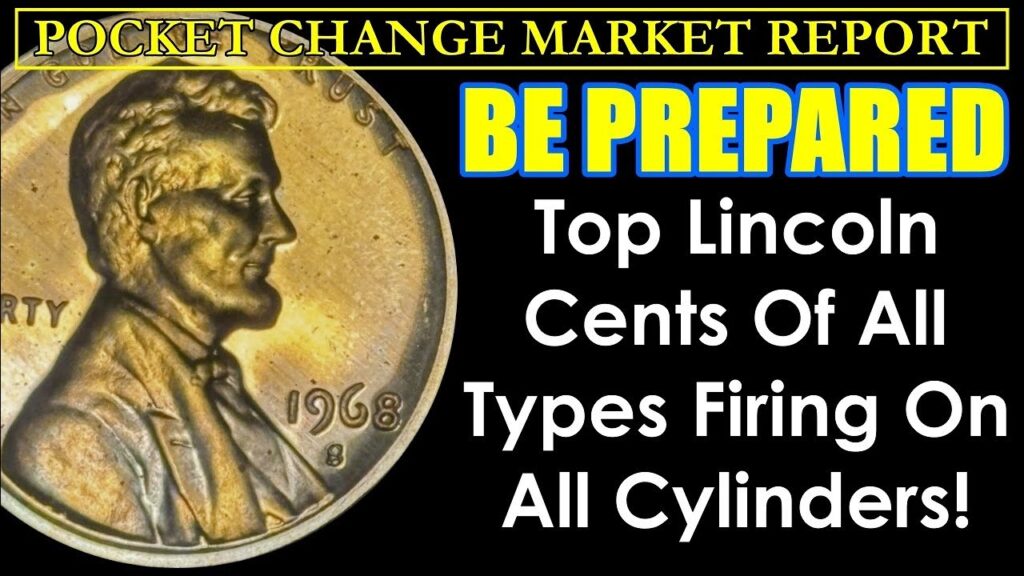
🪙 1968-S Proof Lincoln Cent – Doubled Die Obverse (FS-101)
Look closely at:
- The date
- LIBERTY
- Other lettering on the obverse
💰 Recent Sale: $50
For many collectors, finding one can easily cover the cost of several proof sets.
🌎 International & Modern Error Coins Worth Watching
Rare mint errors aren’t limited to older U.S. coins.
🇨🇦 1996 Canadian $2 “Toonie” – Off-Center Core
A dramatic bi-metal error where the brass center sits noticeably off-center.
💰 Best Offer Accepted: Over $550
🇺🇸 1990-P Kennedy Half Dollar – 25% Off-Center Strike
Large off-center strikes remain popular because they’re dramatic and easy to recognize.
💰 Recent Sale: $230
📌 Similar Bicentennial examples have sold for more than $500.
🇺🇸 1993-P Washington Quarter – Double Strike Error
This coin received a second strike approximately 80% off-center, creating an impressive appearance.
💰 Recent Sale: $231.50 (45 bids)
🔍 Quick Checklist Before Spending Your Change
Before tossing coins into a vending machine or depositing cash at the bank, take a moment to inspect them.
✅ Check every date and mint mark.
✅ Look for doubling, clips, cuds, or off-center strikes.
✅ Examine paper money for printing errors.
✅ Compare unusual coins with verified collector references.
Even small differences can make a significant impact on value.
💡 Collector’s Corner: Why Every Coin Is Worth a Second Look
The collectibles market continues to reward knowledge and careful observation. While most pocket change will only be worth face value, genuine mint errors, unusual varieties, and key dates can still surprise collectors with impressive prices.
Whether you’re searching coin rolls, sorting inherited collections, or simply checking your wallet, developing the habit of inspecting your change could eventually lead to an exciting discovery.
Remember, patience and education remain two of the most valuable tools in coin collecting.
Happy hunting! 🪙✨


Leave a Reply