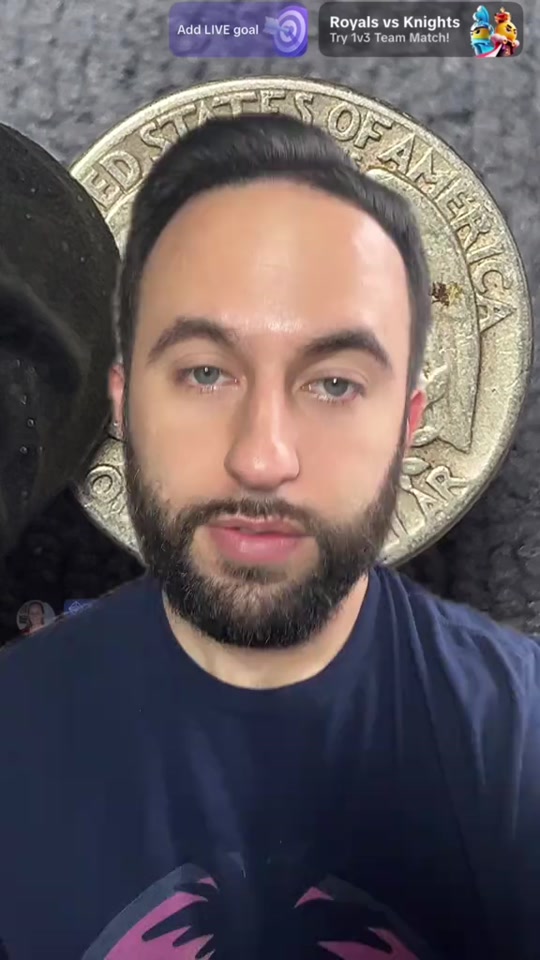
$240 Silver Quarter Hiding
I hadn’t seen one of these in a long time… but during my live show yesterday, I finally found one again.
A silver quarter.
Not just any silver quarter — but a Type B variety that can instantly make an ordinary coin worth 3 to 4 times more money.
Most people would spend it.
Collectors would smile.
And now you’ll know exactly what to look for.
Save this. You’ll want it. 👇
Why Silver Quarters Matter 💿
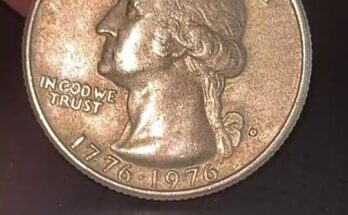
All U.S. quarters dated:
➡️ 1964 and earlier
are made of 90% silver.
That alone gives them solid value.
But some of them hide a rare design variation that dramatically increases their price.
The Best Years to Check First
Focus on:
📅 1956 – 1964
These years are where the valuable Type B reverse quarters appear most often.
What Is a “Type B” Quarter?
It’s a design variation on the back of the coin (reverse side).
Most people never notice it.
But once you see it, you’ll never forget it.
How to Identify a Type B Silver Quarter (Step-by-Step) 🔍
Take your silver quarter and follow these steps:
1️⃣ Flip the coin to the back
You should see the eagle design with the words:
UNITED STATES OF AMERICA
QUARTER DOLLAR
2️⃣ Look at the word “STATES”
Zoom in between the letters:
➡️ E and S
If you see a clear, wide gap between them — that’s your first sign.
3️⃣ Look at the word “DOLLAR”
Focus on the A in “DOLLAR.”
If the leaf is touching the top of the A, you’ve likely found a Type B reverse.
🌟 That tiny detail is the difference between a normal silver quarter and a collector coin.
Real Value Examples 💰
- Certified high-grade Type B quarter: $240+
- Ungraded but genuine: $40+
That’s 3–4× more than a regular silver quarter melt value.
And yes — the one found on the live show was a 1956.
Why These Are So Valuable
- Different reverse design used briefly
- Low survival in good condition
- Most were spent
- Most were never checked
- Many were melted for silver
Collectors actively hunt these.
Important Warnings ⚠️
❌ Do NOT clean the coin
❌ Do NOT polish it
❌ Do NOT scratch it
❌ Do NOT sell it as scrap silver
Cleaning alone can cut the value in half or worse.
If you find one:
✅ Store it safely
✅ Handle by the edges
✅ Consider professional grading (PCGS or NGC)
Final Thought
Almost everyone knows what a silver quarter is.
Very few people know about Type B quarters.
Now you do.
And the next time one shows up in your change… you won’t miss it.

Leave a Reply