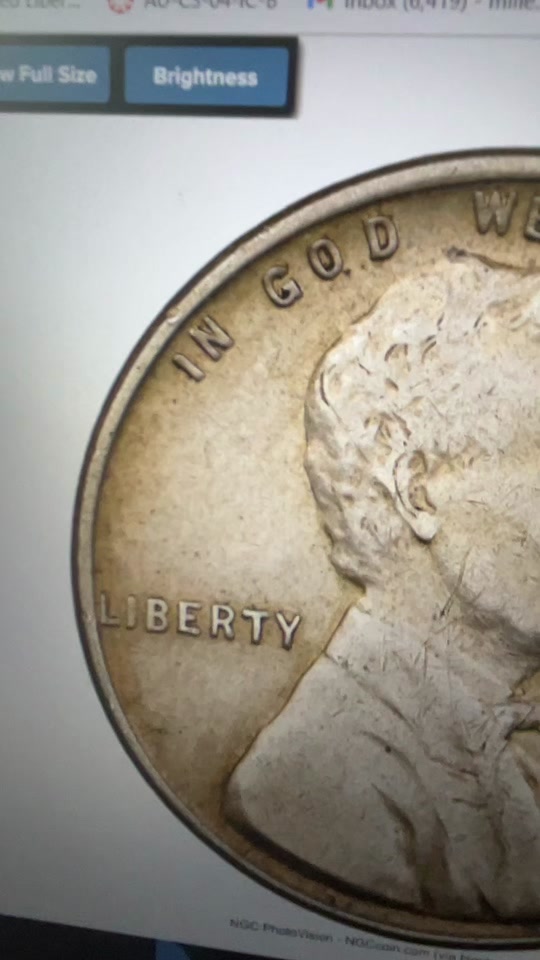
Scratched 1943-D Steel Penny
🪙 An “Ugly” Penny That Turned Into a $7,800 Treasure
At first glance, this coin looks like nothing special.
It’s a 1943-D steel penny — scratched, worn, dull, and heavily circulated.
No shine. No beauty. No obvious clues.
Yet on December 22, 2025, this exact penny sold at auction for an astonishing $7,800 🤯 — fully authenticated and certified by professionals.
So how did a damaged steel penny become a four-figure coin?
Let’s break it down step by step.
🔍 Step 1: Why Most 1943 Steel Pennies Are Common
During World War II, copper was needed for military equipment.
To conserve copper, the U.S. Mint produced pennies in zinc-coated steel in 1943.
- Hundreds of millions were struck
- Most are easy to find today
- Typical value: $0.25 – $5
Under normal circumstances, a worn 1943 steel penny is not valuable.
So what made this one different?
⚠️ Step 2: The Hidden Wrong-Planchet Error
This penny was not struck on a U.S. steel blank.
Instead, it was accidentally struck on an Australian Sixpence planchet 🇦🇺
That means it is a wrong-planchet error, one of the most desirable error types in numismatics.
Wrong-planchet coins occur when a blank intended for another coin slips into the press and receives the wrong design.
⚖️ Step 3: The Tiny Weight Difference That Revealed the Truth
Here’s why this error went unnoticed for decades:
- Normal 1943 steel cent: 2.7 grams
- Error coin: 2.8 grams
Only 0.1 gram difference ⚠️
That difference is almost impossible to detect without a precision scale.
👀 Step 4: Almost No Visual Warning Signs
Even experienced collectors admitted the coin looked normal.
Possible subtle clues:
- Slight thickness difference
- Minor surface irregularities
- Faint details inconsistent with U.S. steel cents
But nothing obvious to the naked eye.
This coin was only confirmed through professional testing.
🏛️ Step 5: Certification Made It Valuable
After submission to a major grading service:
- The wrong-planchet error was confirmed
- The foreign blank was identified
- The coin was encapsulated and guaranteed
Buyer confidence increased dramatically 📈
Final auction price: $7,800
🧠 Step 6: The Big Lesson for Collectors
This sale proves:
❌ Condition is not everything
✅ Rare errors can outweigh ugly appearance
Even damaged coins can be valuable if:
- The planchet is wrong
- The weight is unusual
- The strike doesn’t match expectations
🔎 Step 7: What YOU Should Do
Before dismissing any coin:
1️⃣ Weigh it carefully
2️⃣ Look for unusual color or thickness
3️⃣ Check date and mint mark
4️⃣ Compare with known specifications
5️⃣ If unsure, submit for certification
Thousands of dollars in rare errors are missed every year because people don’t look closely enough.
🏁 Final Thoughts
This scratched 1943-D steel penny proves one powerful truth:
Hidden errors can turn ordinary coins into four-figure treasures.
Always inspect your coins — especially the ones that look ugly.
Your next big discovery could already be in your collection. 🪙💰

Leave a Reply